
Blog
July 21, 2026
Can you build software without writing most of the code yourself? As AI becomes increasingly capable of generating code, that question is no longer hypothetical. Today, developers can describe features in natural language while AI generates much of the implementation - a workflow now widely known as vibe coding.
While some see it as the future of software development, others question whether AI-generated code can truly replace traditional engineering practices. The reality lies somewhere in between.
In this guide, we'll explore what vibe coding is, how it works, where it adds the most value, and where experienced developers still play a critical role.
Imagine describing the software you want to build in plain English instead of writing every line of code yourself. That's the idea behind vibe coding.
Using AI-powered coding tools, developers can generate code based on natural language instead of manually writing every line themselves. They describe the functionality they want, AI generates an initial implementation, and then review, test, and refine the output through a series of prompts until it behaves as expected.
The term vibe coding was popularized in 2025 by Andrej Karpathy, founding member of OpenAI and former Director of AI at Tesla. He used it to describe a more intuitive way of building software by collaborating with AI rather than manually writing every implementation detail.
Despite its playful name, vibe coding reflects a real shift in how software is built. As AI tools become more capable, they're becoming a natural part of the development process rather than just another coding assistant.
At its core, vibe coding is an AI coding workflow built around an ongoing conversation between the developer and Artificial Intelligence. Instead of writing every feature from scratch, developers describe what they want to build, let AI generate the first version, then refine it through a series of prompts and revisions.
Imagine you need a dashboard that displays monthly sales, customer activity, and inventory levels. Rather than building every component from scratch, you describe the requirements to AI, review the generated code, request adjustments, and continue refining it until it meets your needs.
A typical workflow looks like this:
Unlike a single prompt-and-response interaction, vibe coding is highly iterative. Each round builds on the previous one, allowing developers to gradually improve both the code and the overall development experience.
The better the instructions, the better the outcome. That's why writing clear prompts has become just as important as reviewing and testing the code AI produces.
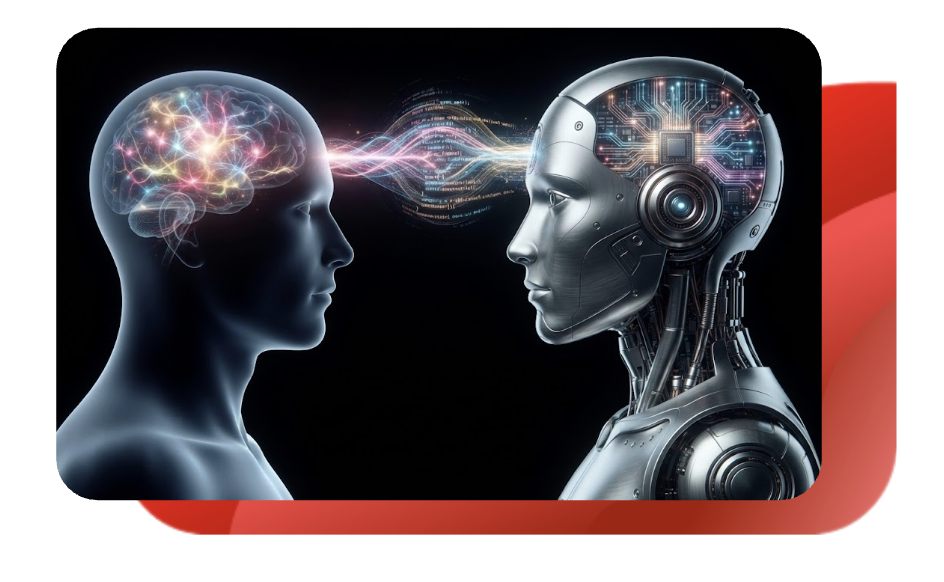
Vibe coding didn't emerge overnight. It became possible as AI coding tools evolved from generating simple code snippets to understanding entire projects, suggesting improvements, and helping build complete applications.
At the same time, a new generation of AI-powered development tools, including Cursor, Claude Code, Replit, and Lovable, made AI a natural part of the coding process. Instead of switching between different tools, developers can now collaborate with AI directly while building software, making the entire workflow faster and more intuitive.
For businesses and development teams, this opens up new opportunities to:
Like any development approach, vibe coding isn't the right fit for every project.
It delivers the most value when teams need to move quickly, validate ideas, or build applications with a well-defined scope.
Common use cases include:
These projects often prioritize speed and experimentation over long-term scalability, making them well suited to AI-assisted development. Once an idea has been validated, teams can decide whether it should evolve into a more robust, production-ready solution.
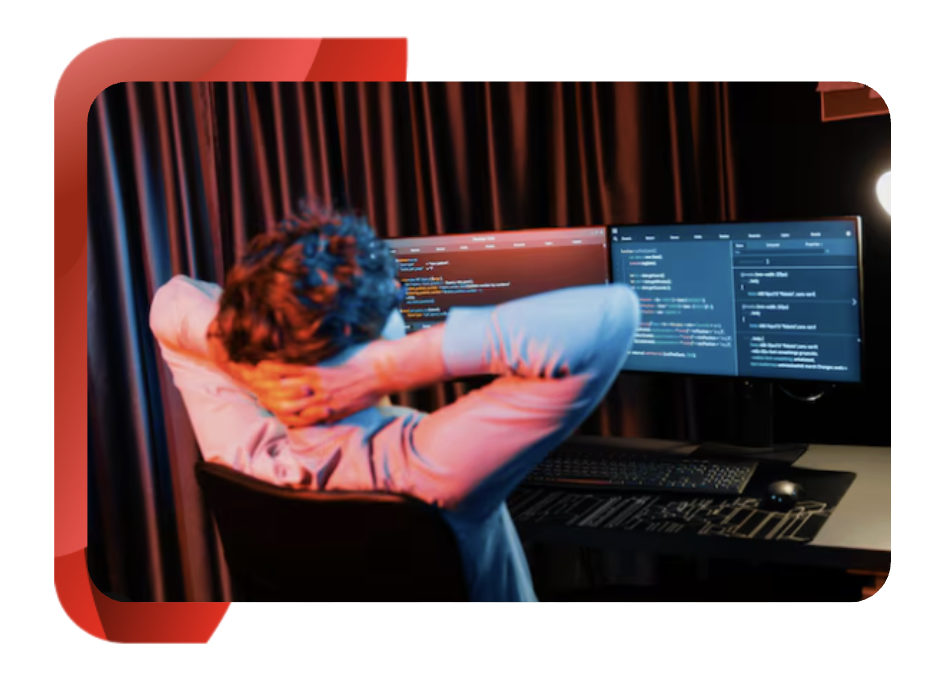
Vibe coding can dramatically speed up development, but generating code is only one part of building successful software. Human expertise is still needed to turn that code into applications that are secure, scalable, and built to last.
Creating production-ready software involves much more than writing code. It means designing systems that can grow with the business, integrating with existing platforms, testing thoroughly, and planning for long-term maintenance.
For example, building an internal reporting dashboard is very different from developing a banking platform or a healthcare application, where security, compliance, and reliability are essential from day one.
While AI has lowered the barrier to creating simple applications, allowing more people to build software without knowing how to code, complex projects still depend on experienced developers to design, validate, and maintain reliable systems.
AI can assist throughout the development process, but it still relies on people to make informed technical decisions, understand business priorities, and ensure the final solution is fit for purpose.
For businesses, vibe coding isn't about replacing developers or completely changing the way software is built. It's about understanding where AI can add value—and where human expertise remains essential.
Used well, vibe coding can accelerate development, reduce repetitive work, and help teams move from idea to app much more efficiently. But like any technology, it delivers the best results when it's supported by experienced engineering practices and thoughtful oversight.
For many organizations, a practical place to start is with low-risk projects such as internal tools, prototypes, or proofs of concept. These allow teams to explore AI-assisted development while maintaining control over quality, security, and long-term maintainability.
The organizations that will benefit most from effective vibe coding won't be the ones that rely entirely on AI - they'll be the ones that combine AI with experienced developers to get the best of both: faster development without compromising quality.
Vibe coding is changing how software is built, making it faster to turn ideas into working applications and reducing the time spent on repetitive development tasks. But as powerful as AI has become, successful software still depends on thoughtful engineering, sound technical decisions, and a clear understanding of business goals.
The real opportunity isn't choosing between AI and developers - it's combining both to build better software, more efficiently.
At Roca Mindhub, we help businesses do exactly that. By combining custom software development, automation, cloud technologies, and AI-powered solutions, we build software that not only accelerates development but also remains secure, scalable, and ready to grow with your business.


445 Apple Creek Blvd, Suite 220, Markham, Ontario
Follow Us:


Services
Roca
Contact
+1 647 476 7680
info@rocanetworks.com
rocamindhub.com
