
Blog
August 27, 2026
Your mobile app is live. The development project is finished. So why are there still bills?
Launching an app is only the beginning of its lifecycle. Once it's live, it needs ongoing updates, security fixes, performance monitoring, compatibility testing, and infrastructure support to keep working as expected. Operating systems change, third-party services are updated, and user expectations keep moving. All of that comes with an ongoing cost.
So, how much does it actually cost to maintain a mobile app in 2026 - and what should businesses budget for?
Once an app is live, keeping it running smoothly takes more than fixing the occasional bug. Mobile app maintenance covers the ongoing work needed to keep an application functional, secure, compatible, and reliable as technology and user expectations change.
This can include things like bug fixes, operating system updates, security patches, performance improvements, third-party integration updates, and backend maintenance.
The exact mix depends on how the app was built and what it does. A simple content-based application will have very different maintenance requirements from an e-commerce platform, financial application, or app connected to multiple business systems.
A commonly used planning benchmark is to budget around 15–25% of the original development cost per year for mobile app maintenance. For example, an app that cost $100,000 to develop could require roughly $15,000–$25,000 annually for ongoing maintenance.
That range is a useful starting point, but it isn't a fixed formula. The actual cost depends on the app's complexity, number of platforms, integrations, user base, security requirements, and how frequently the product changes.
A relatively simple app with limited functionality and few integrations may require less ongoing work. A high-traffic application with complex integrations, sensitive data, or separate native iOS and Android codebases can require significantly more.
The first year can also cost more than subsequent years. Once an app is in the hands of real users, teams may uncover bugs, performance issues, and edge cases that weren't visible during development. Early post-launch work can therefore require more engineering time before maintenance settles into a steadier rhythm.
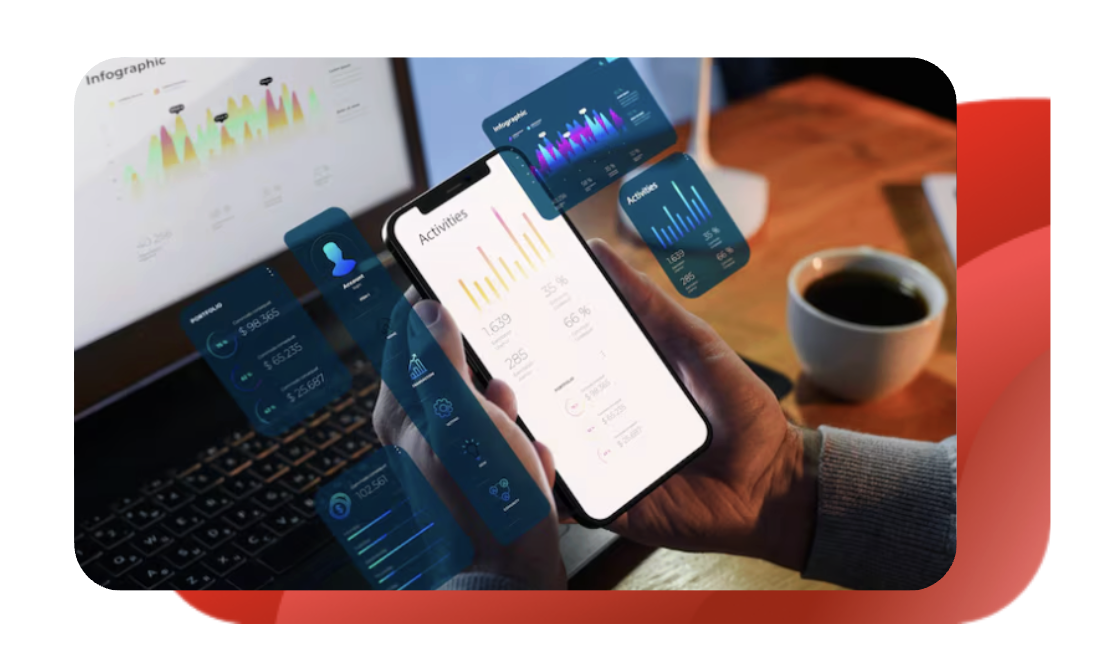
Several factors contribute to the ongoing cost of maintaining a mobile app.
Apple and Google regularly release new operating system versions, which can affect APIs, permissions, security requirements, and app compatibility. Keeping an app current means testing against new versions and making updates when needed.
Real-world usage can uncover crashes, bugs, slow loading times, or performance issues that weren't apparent during development. Monitoring and resolving these issues helps keep the app reliable as the user base grows.
Apps rely on frameworks, libraries, SDKs, APIs, and infrastructure that need regular updates. Addressing vulnerabilities, updating dependencies, and maintaining appropriate security controls are essential, particularly for apps handling sensitive information.
Payment providers, maps, authentication services, analytics platforms, and other integrations can change over time. When an external service updates its API or SDK, the app may need corresponding changes to keep everything working properly.
The mobile app is often only one part of a larger system that includes databases, APIs, cloud services, storage, and monitoring. As usage grows, businesses may need to scale and optimize this infrastructure, adding to the overall cost of running the app.
Apple and Google regularly update their technical requirements and policies. Staying compliant may require changes to the app, SDKs, permissions, privacy information, or other components.
There isn't one maintenance price that applies to every app. Several factors can move the cost up or down:
Maintenance is only one part of the cost of running a mobile app. A realistic post-launch budget should account for:
Planning for these costs separately gives businesses a clearer picture of what it will take to operate the app after launch.
It's easy to assume that an ongoing maintenance agreement covers any changes an app might need. In reality, maintaining an app and expanding it are two different things.
Maintenance keeps the existing product working as intended. New development changes or expands what the product can do.
For example, fixing a payment error would typically fall under maintenance. Adding an entirely new payment method or checkout workflow would likely be new development.
Keeping these categories separate makes it easier to set expectations, prioritize work, and plan future budgets.
Skipping maintenance might save money in the short term, but problems can accumulate quietly.
Outdated dependencies, compatibility issues, security vulnerabilities, and technical debt can eventually turn routine updates into larger and more expensive projects. An app that hasn't been maintained for years may require significant work just to bring it back up to date.
The longer maintenance is postponed, the harder - and potentially more expensive - it can be to catch up.
The best way to control maintenance costs is to stay ahead of them.
A proactive approach won't eliminate maintenance costs, but it can make them more predictable and easier to manage.
Launching a mobile app is only the first step. Keeping it secure, reliable, and ready to evolve is what turns a launch into a long-term product.
At Roca Mindhub, we build custom software with the bigger picture in mind. From mobile development and integrations to cloud infrastructure and ongoing improvements, we create solutions designed to keep up as your business grows.
Build it once. Keep it moving.


445 Apple Creek Blvd, Suite 220, Markham, Ontario
Follow Us:


Services
Roca
Contact
+1 647 476 7680
info@rocanetworks.com
rocamindhub.com
